
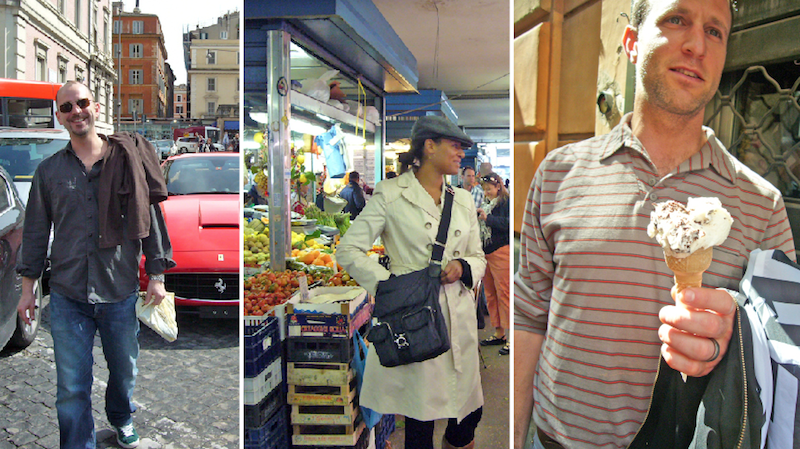
 The Williams-Sonoma culinary team traveled to Rome to find inspiration for our fall recipes. Our new catalog dishes were born from our experiences in this legendary city — from the local markets and the culinary classroom to, finally, the dining table.

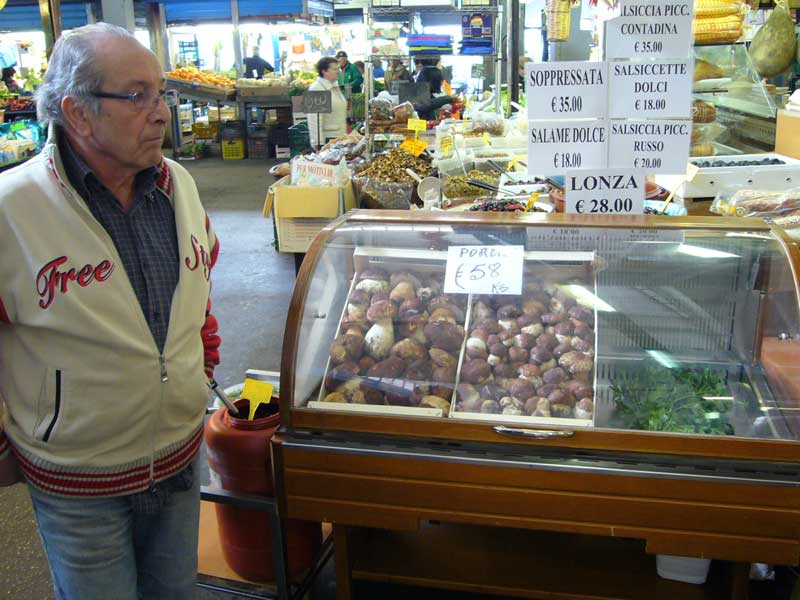
The team’s first stop was the Campo dei Fiori Market, one of Rome’s oldest markets, rich with seafood, vegetables, fruit, spices, delicious pizza bianca and even kitchen utensils (a real treat!). We visited stores carrying specialty Roman products, pastries, coffee, candy and wine, taking in the city’s ancient sites and history along the way.
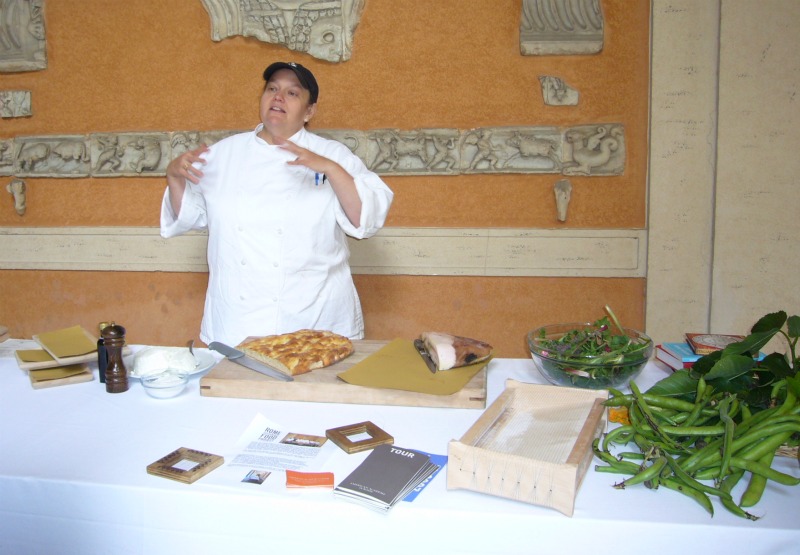
We stopped at the American Academy in Rome, where Chef Mona Tablott (a Chez Panisse alum) serves a daily, market fresh lunch to academic fellows. Talbott gave us an overview of pastas and classic Roman ingredients, helping us understand what is unique about Rome’s cuisine.
We tasted food as classically Roman as we could find. Menus at trattorias like Da Oio a Casa Mia, Armando al Pantheon and Sora Lella all featured the same items — Pasta alla Carbonara, Pasta all’Amatriciana, and other dishes including the three main ingredients in Roman cooking: beans, grains and greens.
In the end, the things we discovered on a whim, wandering through the city, were the most impactful — no reservations required. A hungry co-worker insisted on stopping for pizza at a sidewalk stand, making us believers in pillowy-soft potato pizza (for which the Williams-Sonoma test kitchen developed a recipe).

Here are impressions from some of our team members about their most memorable food experiences in Rome.

“It’s amazing how much flavor you can achieve with so few ingredients — and really taste each one. This is Roman comfort food — pure, simple, absolutely delicious.” — Travis Rea, Food Development
“A common thread of gathering and community wove each meal together. Around every corner was the whisper of history. Each ruin, each open market, each cobblestone had a story waiting to be told.” — Neil Lick, Merchandising
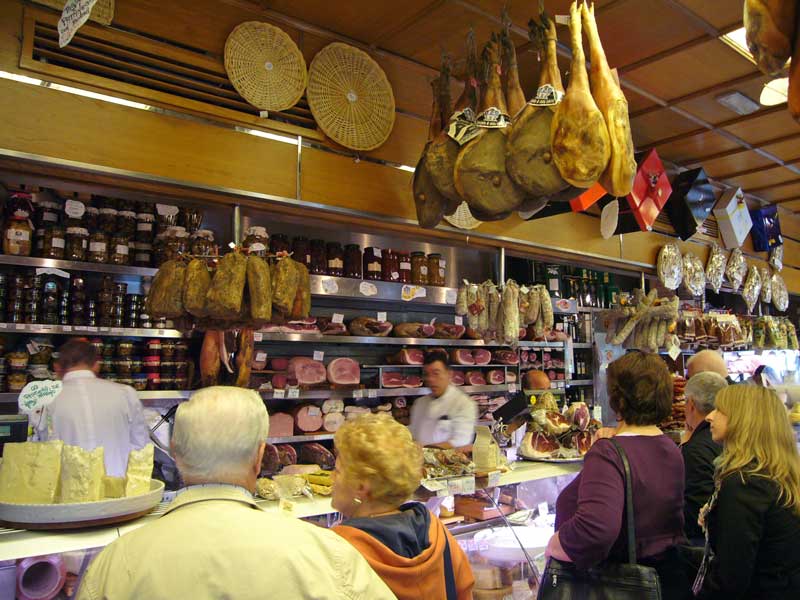
“Romans don’t advertise ‘local, organic or fresh’ because there’s no reason to. In Rome, these elements are as integral as TASTE is to the rest of the world.” — Jonathan Silverman, European Sourcing
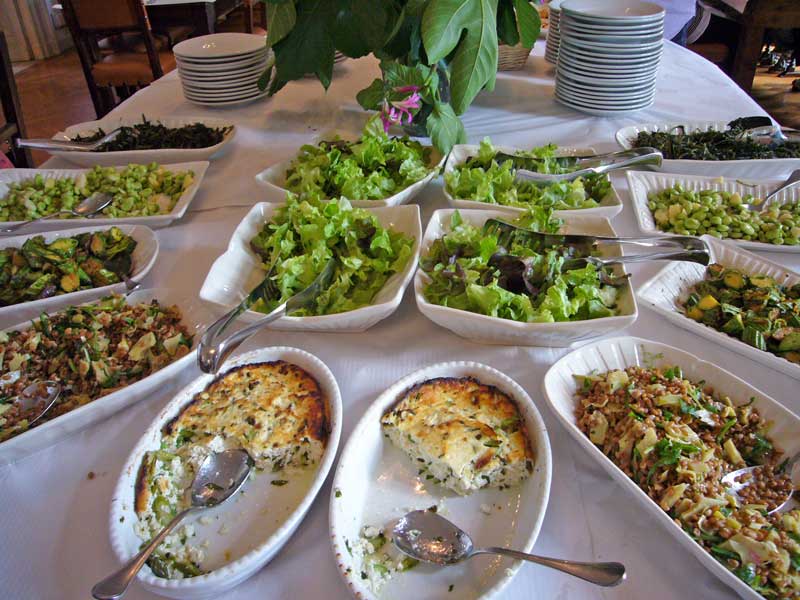
“Simple cooking and fresh ingredients inspired me to really do as the Romans do: Don’t add, subtract or make a change. Enjoy food as it was intended.” — Jonathan Silverman, European Sourcing
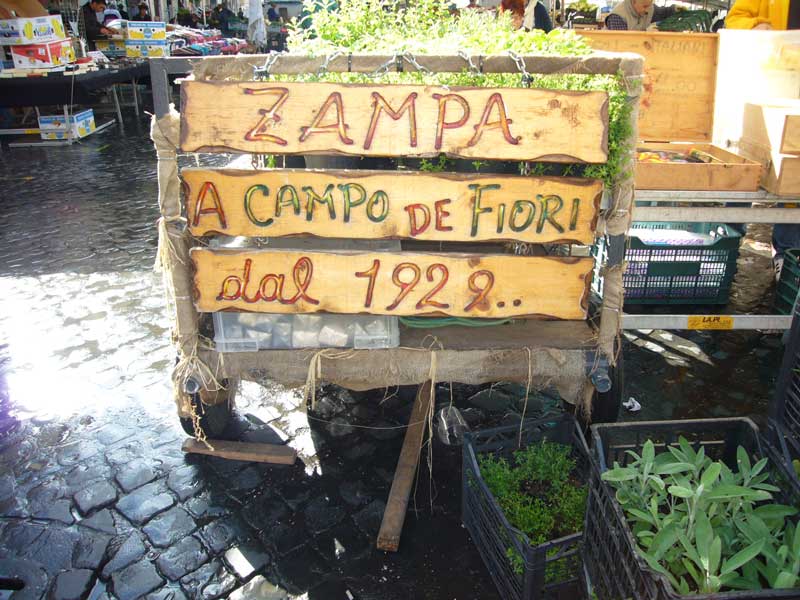
“Our first stop: the Forno Campo de Fiori, where folks have been turning out pizza and focaccia for almost 200 years. We all looked at each other and said, ‘This IS Italy.'” — Jonathan Silverman, European Sourcing

“There is something special about food so good that you will wait in line to eat it on the sidewalk. It was just that good…” — Travis Rea, Food Development
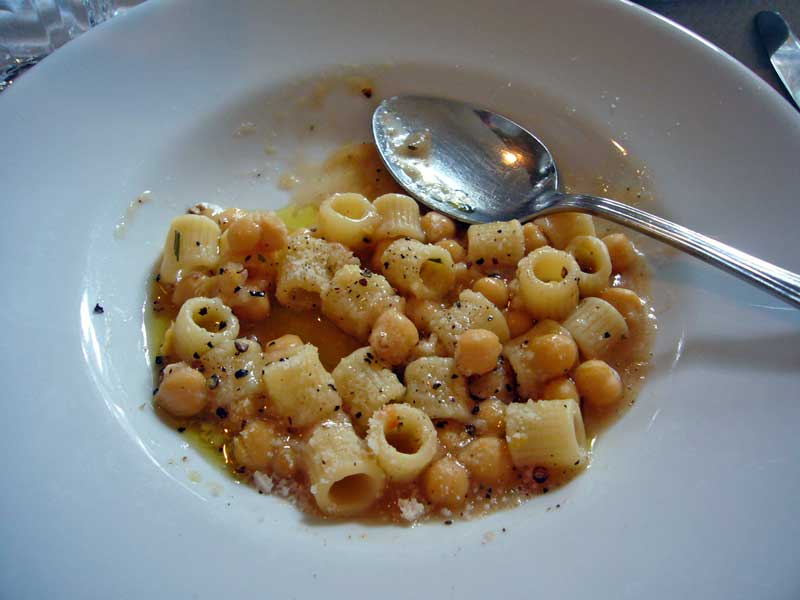
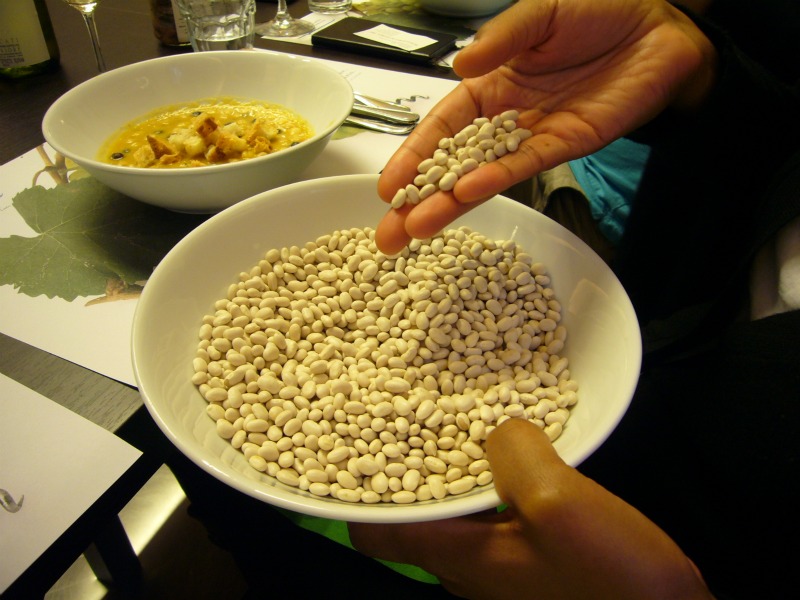
“A simple bowl of pasta e ceci soup with a drizzle of olive oil. It made me realize what Roman cooking is really all about: celebrating good food in a less complicated form.” — Michelle Bowler, Merchandising
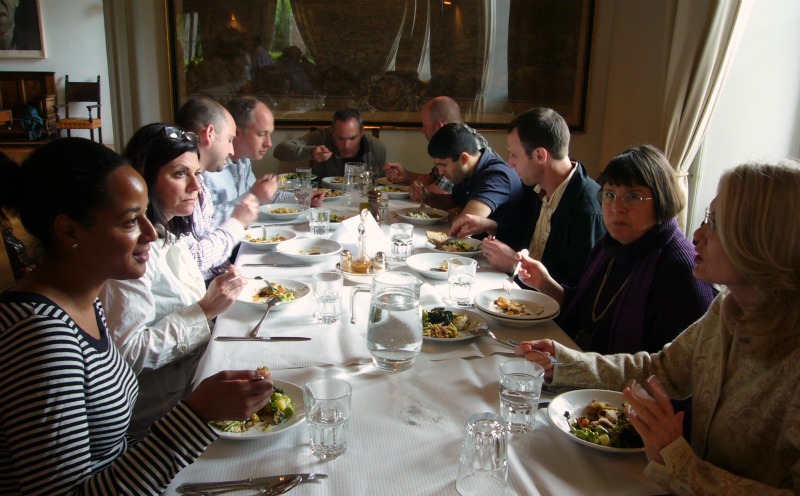
“The sense of community and family is evident at every meal in Rome. The food is amazing — but it’s the time shared at the table that makes the experience so memorable.” — Dawn Green, Food Development
26 comments
Happy 75th Birthday to my mamma, Natalina!,
Thanks for this ….made me warm and comforted just like my visits to Cincinnati where my Italian family continues these traditions…:)
So truley inspiring!! Thank you for such a wonderful look at the world of Italia! What’s next?!
Rome is my favorite city and I have just returned so your discussion of Roman food made my mouth water. Thanks
Grazie e complimenti per la citazione.
Please, please, please get the recipe for those amazing artichoke (with the stem!) that are marinated and you can eat the entire thing – they are so tender and delicious.Found in most trattorias but incredible at Ristorante Il Matriciano). THEN the recipe for fried artichokes from Piperno – yum!
Thanks for this blog – you did catch the true essence of Roman food – simple, celebrate the main ingredients and spend a lot of time savoring it!
This made me so nostalgic for Rome, and the many wonderful meals we’ve had there.
Bravo …. a very nicely done presentation. A side of Rome I have missed on our many visits. The “touristico” menu we were most often presented with seemed lacking in many respects. This shows me what could have been ….
My husband and I have a dream vacation of one day renting an apartment in Rome for a month and shopping at all the wonderful markets then cooking our finds each night. All the specialty stores and markets call out to me to take it home and cook up a storm!
I grew up in Rome and while I don’t miss the parking wars I miss the flavors of my Home. Pasta e ceci is soooo good! The zucchini flowers, for which I get teased because people think that is a weird thing to eat, are something I miss more than anything else because we cannot find them here. A mention goes to the the fact that Roman Cuisine is also mingled with some dishes of the Jewish Cuisine (Carciofi alla Giudia). We also like to eat a lot of the interior organs, like brain, intestine, tripe and so on. This article made me a little homesick, but in my house we eat in perfect Roman Style!
Beautiful as always, best store, love to shop and enjoy trying all your products. Miss your store in American shopping Center Manhasset. Love your Sept. issue.
I want to go with you next time. Looks too good to be true. Thanks for a mouthwatering adventure.
You made me homesick. As I write teardrops are rolling down my cheeks. Some of the recipes portrayed here are truly a staple in Roman cuisine and remind me so much of the times I spend with my family when I visit. There is so much more that is missing here BUT I do understand it is impossible to fit everything in… Next time, take me along for a Roman Experience like no other!
I was so happy to see Rome featured on WS website. My family and I just returned from Italy with a three day stop in Rome. I take the city for granted because it’s like a second home for me. I didn’t realize how much I missed it until I was there. The sounds of buzzing Vespas, Roman dialect, water fountains, and music welcomed me back. The sights of the ancient world juxtaposed along modern times, and the smell of the air made my spirit soar!
The Roman dishes WS is presenting are the staples of my everyday cooking. A quick night dinner would be spaghetti aglio e olio as primo followed by straccetti with arugola as secondo. We asked our favorite pizza place make potato pizza for us and introduced it to our friends & neighbors. So now the secret is out thanks to WS.
The WS team is very fortunate to be able to work and travel to beautiful places around the world. You’ve done an excellent job marketing Rome to US audience.
Magna! (Roman for “mangia”)
I loved my trip to Italy and the real Italian cooking. I love your magazine recipes and Rome is a great choice.
Its nice that WS “shared” the Italy food tour, with us, so the next step should be, “When should I schedule a visit to my local WS storefront, for a taste sampling, of these recipes, using ingredients provided by WS?”
Let me know, and I will be there!
A devoted customer.
Just got home from Italy – I try to get there each year and usually gain a good 5-10 pounds while there. I can’t resist, and won’t, gelato and Napolitana pizza. It is always my mission to find the best of both. Anyone going to the fair boot, I am convinced that Parma has the best gelateria called K2, and found a darn good pizza in Rome near the main train station called Meid in Nepolis. Of course, if you go to Napoli, well enjoy – most pizzerias make amazing pizza. Anyway, if anyone knows how to get the Caputo flour in Canada near Toronto, am more than open to your input. Would love to experiment with pizza making of my own.
I loved this article. I especially enjoyed the comments of Linda Velleco. My daughter is a Fellow of the American Academy in Rome and returns there often. We have enjoyed the city with her many times and even stayed at the Academy once with her when she was first there. My grandparents came from San Donato Val di Camino which is not far from Cassino. Like Linda, we do not buy tomatoes in the winter. We grow our own in the summer. We love Rome and go there as often as we can. The food and the ambience are unbeatable.
I have a group going on a cruise next May that ends in Rome so I’m definitely passing this blog post on to everyone that booked! I saw a photograph of someone eating gelato, but since there’s no mention of where you stopped for it, I’ll do what I did the last time in Rome and taste-test as I stroll!
I love your in store cooking classes and your blog!
One day while having to kill time in a mall I was browsing through WS and got lost in the Ciao Bella gelato and sorbetto recipe book. I had recently purchased a new ice cream machine (a Whynter self-refrigerating unit, which by the way,makes a world of difference in the quality of my frozen desserts). The two were a match made in heaven. I’ve made some amazing gelatos and sorbettos, including a fig and port gelato that is exquisite, a chocolate sorbetto so rich and luxurious it feels sinful even though there is no dairy, and many more. I highly recommend the recipes and the book.
You’ve captured the beauty of Roman food with such clear language here. The photos are also exquisite. Simplicity really is the key to prepare and present food. Simply beautiful.
It was fun to see Mona and the American Academy in Rome in this blog. A couple of years ago I organized a symposium, The Language of Food and Wine, for alumni of my school. The Academy was one of our stops, a rare invitation. We couldn’t believe that the Academy had once served American-style cafeteria food in the heart of Rome. Thank goodness they brought in Alice Waters to rescue the food service. Its sustainable menu-model mostly relies on ingredients that are from local farmers or grown in the academy’s gardens.
What we learned from all of our guest speakers is that you want to add as little as possible, especially in Italian cooking. Bill Buford, author of “Heat” kept talking about the difficulties in learning to cook simply. The challenge is to locate good, local ingredients and prepare it as simply as possible. Know your food.
There’s a reason why we love places like Forno Campo de Fiori – they’ve been doing something right for 200 years.
Thanks for the continued inspiration to cook better!
OK. So, how do I get a job? Thanks for sharing your reserach adventure. I love Italy, the people, the food, the history, and, of course, the beauty of the land and it’s cities. You are so fortunate to be able to experience this as part of your job! As always, doing what WS does so well, you make me want everything you picture. It’s 6 am and my mouth is watering!
My husband is a Fellow of The American Academy in Rome and we spent a wonderful year in this magnificent city. Even though I grew up in an Italian American home and learned to cook from my grandmother who was from Casino near Rome, I learned so much about shopping for food and preparing it from the my Portieri. Food is so important to Italians and fortunately more people here in America are discovering the importance of fresh, seasonal food. I still don’t buy tomatoes in the winter or fish on Mondays.
I’ve really fallen in love with the Will-So website, including food blog. Given the tousands of food blogs/websites now available, I admire you for doing so much to stand out. It shows you are not taking your customers for granted. BTW the Italy trip looks awesome, only wish I could have been there. Oh well, since the recipes are the next best thing, I can’t wait to try them all.
my daughter toured Italy and loved it. It was her favorite and wishes for us to visit together someday. She loved their food, and I hope you share many recipes. She too loved the simplicity of their food. I have an ice cream machine, so hope you have a great gelato recipe we can make many flavors of. The soup above and pasta looked fab. She loved their thin pizzas. Anxious to see your recipes. thanks for sharing.