
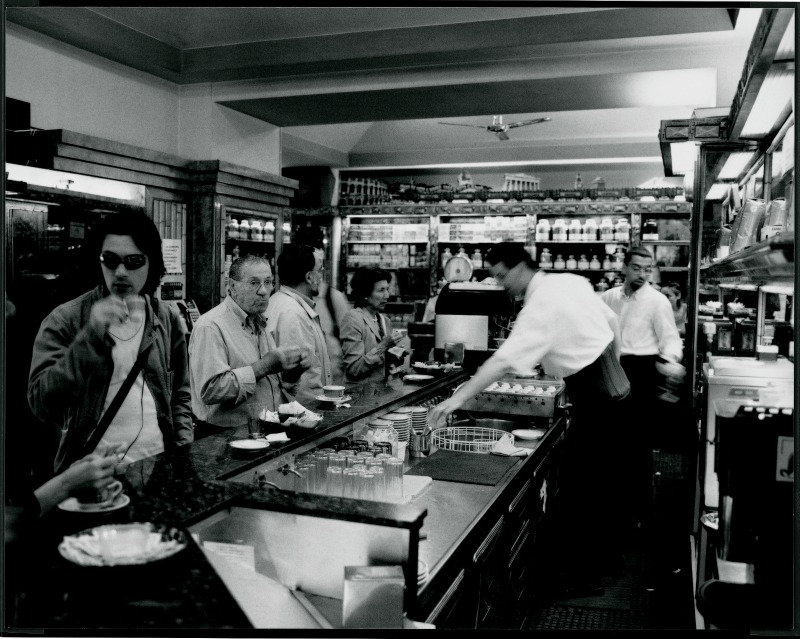
 Whether it is served lungo, restretto, tiepido, bollente, macchiato, zuccherato or amaro, coffee in Rome is some of the best in the world. What makes it taste so good? It’s not the air, the water, the machines or even the roast. It’s the human factor — the magic touch of an expert barista.
Caffelatte
Don’t ask for a latte at a Roman bar unless you want a glass of milk. Coffee with hot milk, usually served at home in an extra-large cup or in a glass, is caffelatte.
 Cappuccio
When coffee is in a cup, with milk steamed to produce a head of froth, it is a cappuccino (cappuccio in local vernacular).
Tip: Only tourists ask for a cappuccino after a meal; both caffelatte andcappuccio are considered breakfast drinks.
Caffe Macchiato
If you can’t do without a touch of milk in your espresso, ask for a caffe macchiato (literally, “spotted”). For the same with cold milk, ask for a caffe macchiato freddo.
Caffe Corretto
Espresso spiked with a drop of brandy, grappa or Sambuca (the Roman anise-flavored liqueur) is called caffe corretto, which means “corrected.” It is always served after, not with, dessert.
 Extras
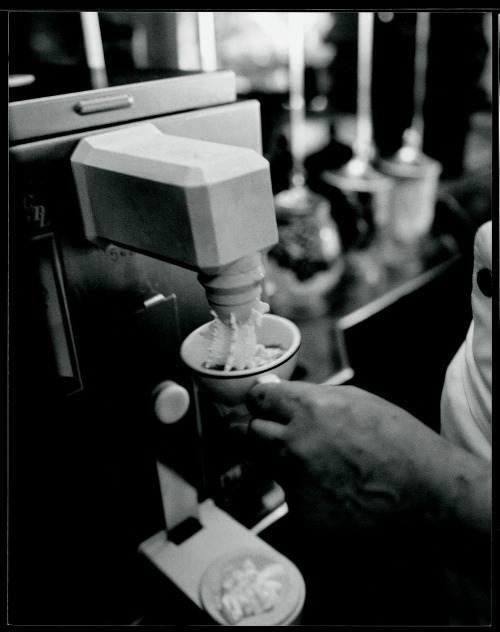
Customers at Italian bars will specify the desired temperature (bollente is boiling; tiepido is lukewarm), container (tazza, “cup,” or al vetro, “in glass”) and degree of froth (poca schiuma, “not much foam”).
The also specify volume: ristretto is a more concentrated espresso, a caffe lungo is made with extra water; a doppio is a double espresso. None of these comes anywhere near the large volume or thin consistency of a caffe americano, which should be ordered only in large international hotels, if at all.
7 comments
Its not my first time to go to see this web site, i am visiting this site dailly and take good facts from
here daily.
[…] Roman Coffee Explained […]
Finally a good article about Italian coffees! Hope it helps tourists get what they want more easily now. 🙂
(And don’t worry, I’m Italian and I barely manage to remember the differences between all the kinds of coffee you could get at a bar!)
I remember going to Italy and needing a hot of caffeine. I ordered a mocha from a side cafe which looked more like a bar. I got what appeared to be thick used but hot chewing tobacco in a cup. It smelled awesome but i could barely drink two sips. Now wanting to be rude of course. I hopped back into the car to continue the drive and remember shaking like a leaf, lol… I had been living in Europe (not Italy) for many years and ordered mochas, cappuccinos and lattes but found out quickly that like Pizza, Coffee is just not the same when ordered in Italy. :p Now back in the USA, i truly miss a great cup of coffee and Tiramisu.
Italians make great espresso and wonderful espresso machines! If would like to buy a great espresso machine or you have an Italian machine that needs to be repaired vist my website. I can also offer advice on making the espresso machine you own really sing.
Two words – Tazza d’Oro!
So true – there is nothing like the coffee in Italy and, yes, It is about the Barista. In Italy it is a profession, they are actually professional trained and are dressed impeccably – hence the efficiency – one Barista can move a line faster than 4 cashiers at Starbucks. I recall my husband and I, during our trip to Florence, frequented a cafe in named Coronas. A small but beautiful cafe – espresso served with a shot glass of sparkling water served on a side plate with a white decorative doile. Sounds silly but that extra special touch means so much. For all you Starbucks fans (I am not), it’s Espresso, Americano, Latte or Capuccino because that is all coffee should be (so refreshing compared to the aggravation of standing in line at Starbucks (the fast food of coffee) waiting for the person in front to finish his order for a Venti extra hot 80 degrees, non fat, light on syrup, etc, etc, etc. And don’t forget, cappuccino and latte are morning drinks, Espresso only in afternoon in Italy